
The Aromatic Horizons project aims to empower adult learners with the knowledge, skills, and competencies needed to actively participate in sustainable agriculture and green entrepreneurship, with a specific focus on aromatic and medicinal plants. Designed within the framework of the Erasmus+ KA210-ADU programme, the project responds to the growing need for environmentally responsible farming practices and inclusive economic opportunities, particularly in rural areas.
One of the primary objectives of the project is to enhance adult learners’ understanding of aromatic plant cultivation, including basic agronomic practices, sustainable production methods, and value-added applications. By introducing learners to environmentally friendly farming techniques, the project seeks to promote responsible land use, biodiversity protection, and climate-conscious agricultural practices.
Another key objective is to strengthen entrepreneurial skills among adult learners. Aromatic Horizons supports participants in developing small-scale, sustainable business ideas related to aromatic plants, such as herbal products, essential oils, and local value chains. Through practical learning approaches, participants are encouraged to transform agricultural knowledge into viable income-generating opportunities, contributing to local economic development and employment.
The project also aims to foster green and digital skills by integrating innovative learning tools and digital resources. A multilingual Aromatic Plants Digital Catalogue will be developed to provide accessible, user-friendly information on at least 20 aromatic plant species, including cultivation guidelines and entrepreneurship potential. This digital output supports lifelong learning and ensures that educational resources remain accessible beyond the project duration.
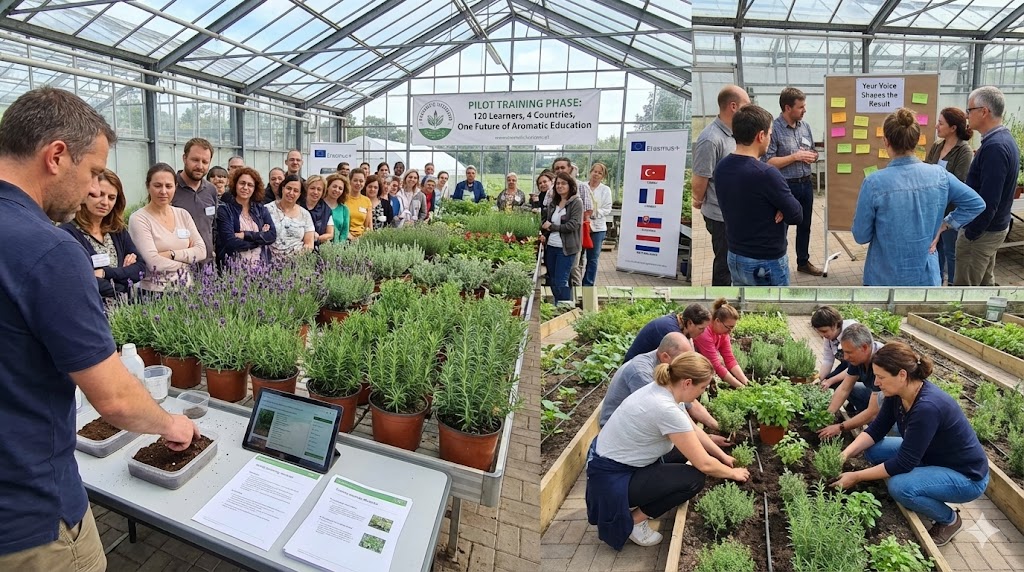
In addition, Aromatic Horizons seeks to promote social inclusion and international cooperation. By engaging adult learners from four different European countries, the project encourages intercultural exchange, peer learning, and the sharing of good practices in sustainable agriculture and adult education. Pilot training activities and multiplier events will further support knowledge transfer at local and regional levels.
Ultimately, the project aims to contribute to rural development, environmental awareness, and sustainable livelihoods by equipping adult learners with practical skills, entrepreneurial confidence, and a greener mindset aligned with European sustainability priorities.